


Planning Your Home Remodeling Project: Mastering the Home Remodeling Process
Embarking on a home remodeling project is an exciting journey. It transforms your living space, enhances functionality, and boosts property value. However, success depends heavily on thorough planning and a clear understanding of the home remodeling process. I’ve learned that a well-structured plan saves time, money, and stress. Let me guide you through the essential steps to ensure your remodeling project runs smoothly and delivers outstanding results.
Understanding the Home Remodeling Process: From Vision to Reality
The home remodeling process is a series of carefully coordinated steps that turn your ideas into a tangible, beautiful space. It begins with defining your goals and ends with the final walkthrough. Here’s a breakdown of the key stages:
Initial Assessment and Goal Setting
Start by evaluating your current space. What works? What doesn’t? Identify your priorities—whether it’s expanding your kitchen, adding a bathroom, or modernizing your office. Clear goals help shape the entire project.
Budget Planning
Establish a realistic budget early on. Include costs for materials, labor, permits, and unexpected expenses. A well-planned budget prevents surprises and keeps the project on track.
Design and Layout
Work with a designer or architect to create detailed plans. This phase includes selecting materials, finishes, and fixtures. Visualizing the end result through drawings or 3D models helps refine your vision.
Hiring Professionals
Choosing the right team is crucial. Experienced home remodeling contractors bring expertise, efficiency, and quality craftsmanship. They also navigate permits and inspections, ensuring compliance with local regulations.
Permits and Approvals
Depending on the scope, you may need permits from local authorities. Your contractor usually handles this, but understanding the process helps you stay informed.
Construction Phase
This is where the transformation happens. Regular communication with your contractor ensures the project stays aligned with your expectations and timeline.
Final Inspection and Walkthrough
Once construction is complete, inspect the work thoroughly. Address any issues promptly to guarantee satisfaction.
By following these steps, you create a roadmap that minimizes risks and maximizes results.

Setting a Realistic Budget: The Backbone of Your Project
Budgeting is often the most challenging part of planning a home remodel. It requires balancing your dreams with financial reality. Here’s how to approach it confidently:
Research Costs Thoroughly
Investigate prices for materials, labor, and permits in South Florida. Costs can vary significantly based on location and season.
Include a Contingency Fund
Set aside at least 10-20% of your budget for unexpected expenses. Remodeling often uncovers hidden issues like outdated wiring or plumbing.
Prioritize Your Needs
Distinguish between must-haves and nice-to-haves. Focus your budget on essential improvements first.
Get Multiple Quotes
Obtain estimates from several contractors to compare pricing and services. This also helps you gauge the market.
Plan for Financing
Explore financing options if needed, such as home equity loans or lines of credit. Understanding your financial limits upfront prevents delays.
A well-planned budget empowers you to make informed decisions and avoid costly overruns.
What is the 30 Rule in Home Renovation?
The 30 rule is a practical guideline that helps homeowners allocate their remodeling budget wisely. It suggests that you should spend no more than 30% of your home's current value on renovations. This rule ensures that your investment adds value without over-improving the property beyond its market worth.
For example, if your home is valued at $400,000, your remodeling budget should ideally stay under $120,000. This approach balances ambition with financial prudence, especially in competitive markets like South Florida.
Keep in mind, the 30 rule is a guideline, not a strict limit. Some projects may justify higher spending if they significantly enhance livability or resale potential. Discuss your plans with your contractor to tailor the budget to your specific goals.
Choosing the Right Professionals: The Key to Quality and Efficiency
Selecting skilled professionals is one of the most important decisions in your remodeling journey. The right team brings expertise, creativity, and reliability. Here’s how to find them:
Check Credentials and Experience
Verify licenses, insurance, and references. Look for contractors with a strong track record in South Florida remodeling projects.
Review Portfolios
Examine past work to ensure their style and quality match your expectations.
Communicate Clearly
Choose professionals who listen and respond promptly. Clear communication prevents misunderstandings.
Get Detailed Contracts
Contracts should outline scope, timeline, payment schedule, and warranties. This protects both parties.
Consider Local Expertise
Local contractors understand regional building codes, climate considerations, and supplier networks. This knowledge streamlines the process.
Working with reputable home remodeling contractors ensures your project benefits from skilled craftsmanship and professional management.
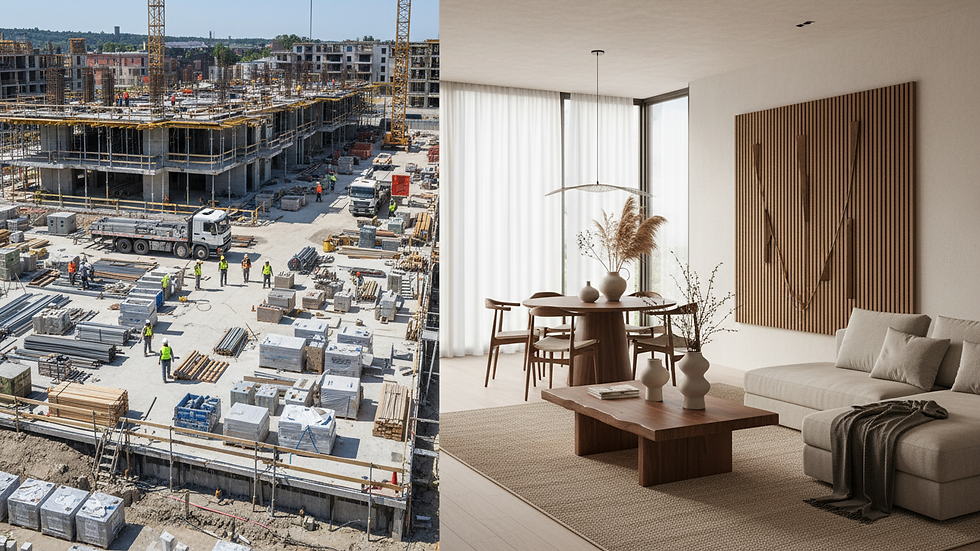
Managing the Timeline: Staying on Track and Avoiding Delays
Time management is critical in remodeling. Delays can increase costs and disrupt your daily life. Here’s how to keep your project on schedule:
Set Realistic Deadlines
Discuss timelines with your contractor and factor in potential delays like weather or supply shortages.
Plan for Permits Early
Permit approval can take weeks. Starting this process early prevents hold-ups.
Maintain Regular Communication
Weekly check-ins with your contractor help identify issues early and keep progress transparent.
Prepare for Disruptions
Remodeling can be noisy and messy. Arrange temporary living spaces or adjust routines as needed.
Stay Flexible
Some delays are unavoidable. Adapt your plans calmly and focus on solutions.
Effective timeline management reduces stress and ensures your project finishes as planned.
Enhancing Value and Comfort: Final Tips for a Successful Remodel
A successful remodel not only improves aesthetics but also enhances comfort and value. Here are some final recommendations:
Focus on Energy Efficiency
Upgrade insulation, windows, and appliances to reduce utility bills and increase comfort.
Incorporate Smart Technology
Smart thermostats, lighting, and security systems add convenience and appeal.
Choose Durable Materials
Invest in quality materials that withstand South Florida’s climate and wear.
Plan for Future Needs
Consider aging-in-place features or flexible spaces that adapt to changing lifestyles.
Personalize Thoughtfully
Add unique touches that reflect your style without compromising resale value.
By integrating these elements, your remodel becomes a lasting investment that enriches your daily life.
Planning your home remodeling project with care and expertise transforms your vision into reality. From setting a clear budget to selecting trusted professionals and managing timelines, every step matters. With the right approach, your remodel will not only enhance your property but also bring lasting satisfaction and pride.


Comments