


Understanding the Home Remodeling Process: A Comprehensive Remodeling Steps Guide
Embarking on a remodeling project can feel overwhelming. Yet, with the right knowledge and preparation, it becomes an exciting journey toward transforming your space. I’ve learned that understanding each phase of the remodeling journey is crucial. It empowers you to make informed decisions, avoid costly mistakes, and achieve results that truly reflect your vision. This comprehensive remodeling steps guide will walk you through the essential stages, providing practical insights and actionable tips to help you navigate your project confidently.
The Comprehensive Remodeling Steps Guide: From Vision to Reality
Every successful remodeling project begins with a clear vision. Whether you’re updating a kitchen, expanding a commercial space, or enhancing your home’s curb appeal, the process follows a structured path. Here’s a breakdown of the key steps:
Initial Planning and Goal Setting
Start by defining what you want to achieve. Are you aiming to increase functionality, boost property value, or create a more modern aesthetic? Write down your goals and prioritize them. This clarity will guide every decision moving forward.
Budgeting and Financing
Establish a realistic budget that includes a contingency fund for unexpected expenses. Research financing options if necessary. Remember, investing in quality materials and skilled labor pays off in durability and satisfaction.
Design and Layout Development
Collaborate with architects or designers to create detailed plans. This phase involves selecting materials, finishes, and fixtures. Visual tools like 3D renderings can help you see the final outcome before construction begins.
Permits and Approvals
Secure all necessary permits from local authorities. This step ensures your project complies with building codes and regulations, preventing legal issues down the line.
Hiring the Right Contractor
Choose a contractor with a proven track record in your area. Check references, review portfolios, and confirm licensing and insurance. A trustworthy contractor will communicate clearly and manage the project efficiently.
Construction Phase
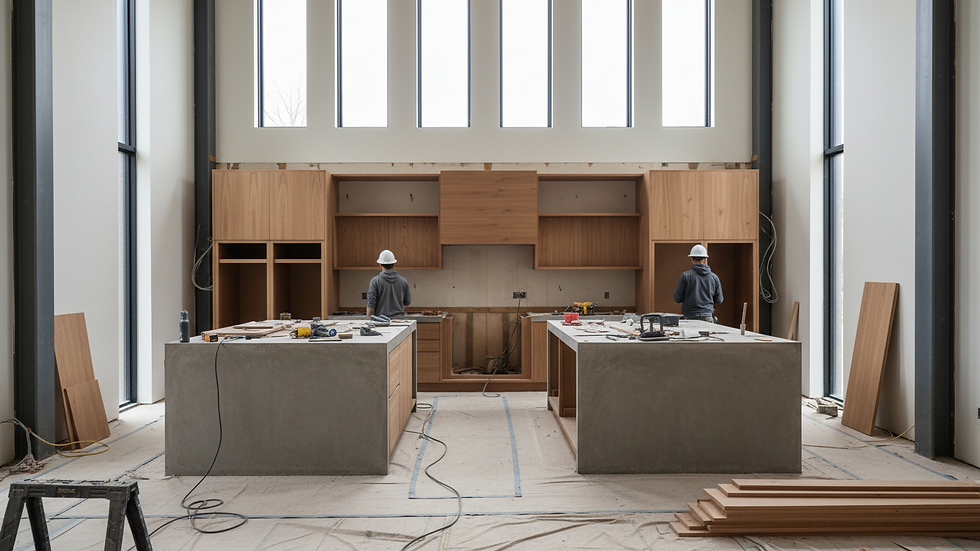
This is where your vision takes shape. Expect some noise and disruption, but stay engaged. Regular site visits and progress meetings help keep the project on track.
Final Inspection and Walkthrough
Once construction is complete, conduct a thorough inspection. Address any punch list items promptly to ensure everything meets your expectations.
Enjoying Your New Space
After all the hard work, it’s time to enjoy the transformation. A well-executed remodel enhances comfort, functionality, and value.
What is the 30% Rule in Remodeling?
Understanding budgeting principles is vital. One widely referenced guideline is the 30% rule. This rule suggests that you should not spend more than 30% of your home's value on remodeling. It helps maintain a balance between investment and property value, preventing over-improvement that might not yield a return.
For example, if your home is valued at $400,000, your remodeling budget should ideally stay under $120,000. This rule is especially useful in markets like South Florida, where property values can fluctuate. It encourages homeowners to plan projects that enhance value without overspending.
However, this is a guideline, not a strict rule. Some projects, like kitchen or bathroom remodels, often justify higher investments due to their impact on daily living and resale appeal. Always consider your personal goals and consult with professionals to tailor your budget wisely.
Navigating Permits and Regulations in South Florida
South Florida has specific building codes and regulations designed to withstand the region’s unique climate challenges, including hurricanes and flooding. Understanding these requirements early in the process saves time and prevents costly delays.
Building Permits: Almost all remodeling projects require permits. These ensure that your remodel meets safety and structural standards.
Zoning Laws: Check local zoning laws to confirm your project complies with land use restrictions.
Environmental Considerations: South Florida encourages sustainable building practices. Incorporating energy-efficient materials and designs can qualify you for incentives.
Working with a contractor familiar with South Florida’s regulations is invaluable. They can handle permit applications and inspections, ensuring your project proceeds smoothly.

Choosing Materials and Finishes That Withstand South Florida’s Climate
Selecting the right materials is critical in a region prone to humidity, salt air, and intense sun exposure. Durable, weather-resistant materials extend the life of your remodel and reduce maintenance costs.
Exterior Materials: Opt for fiber cement siding, stucco, or treated wood that resists moisture and pests.
Windows and Doors: Impact-resistant glass and corrosion-resistant frames protect against storms.
Flooring: Porcelain tile, natural stone, and treated hardwoods perform well in humid environments.
Paints and Finishes: Use high-quality, mold-resistant paints designed for coastal climates.
Incorporating these materials not only safeguards your investment but also enhances comfort and energy efficiency.
Managing the Construction Phase: Tips for a Smooth Experience
The construction phase is the most visible part of the remodeling journey. Staying organized and proactive can make this period less stressful.
Communication: Maintain regular contact with your contractor. Weekly updates and site visits help you stay informed.
Flexibility: Understand that delays can happen due to weather or supply chain issues. Patience and adaptability are key.
Safety: Ensure the site is secure, especially if you have children or pets.
Documentation: Keep records of contracts, change orders, and receipts. This protects you in case of disputes.
By actively managing this phase, you ensure your project stays aligned with your vision and timeline.
Final Thoughts on Your Remodeling Journey
Remodeling is more than just construction; it’s a transformation that enhances your lifestyle and property value. By following this comprehensive remodeling steps guide, you equip yourself with the knowledge to make smart choices and avoid common pitfalls.
Remember, the home remodeling process is a partnership between you and your contractor. Clear communication, realistic expectations, and attention to detail are your best tools for success.
With careful planning and expert execution, your remodeling project will not only meet but exceed your expectations, creating a space that truly feels like home or a thriving business environment.
Embrace the journey with confidence and watch your vision come to life.


Comments